
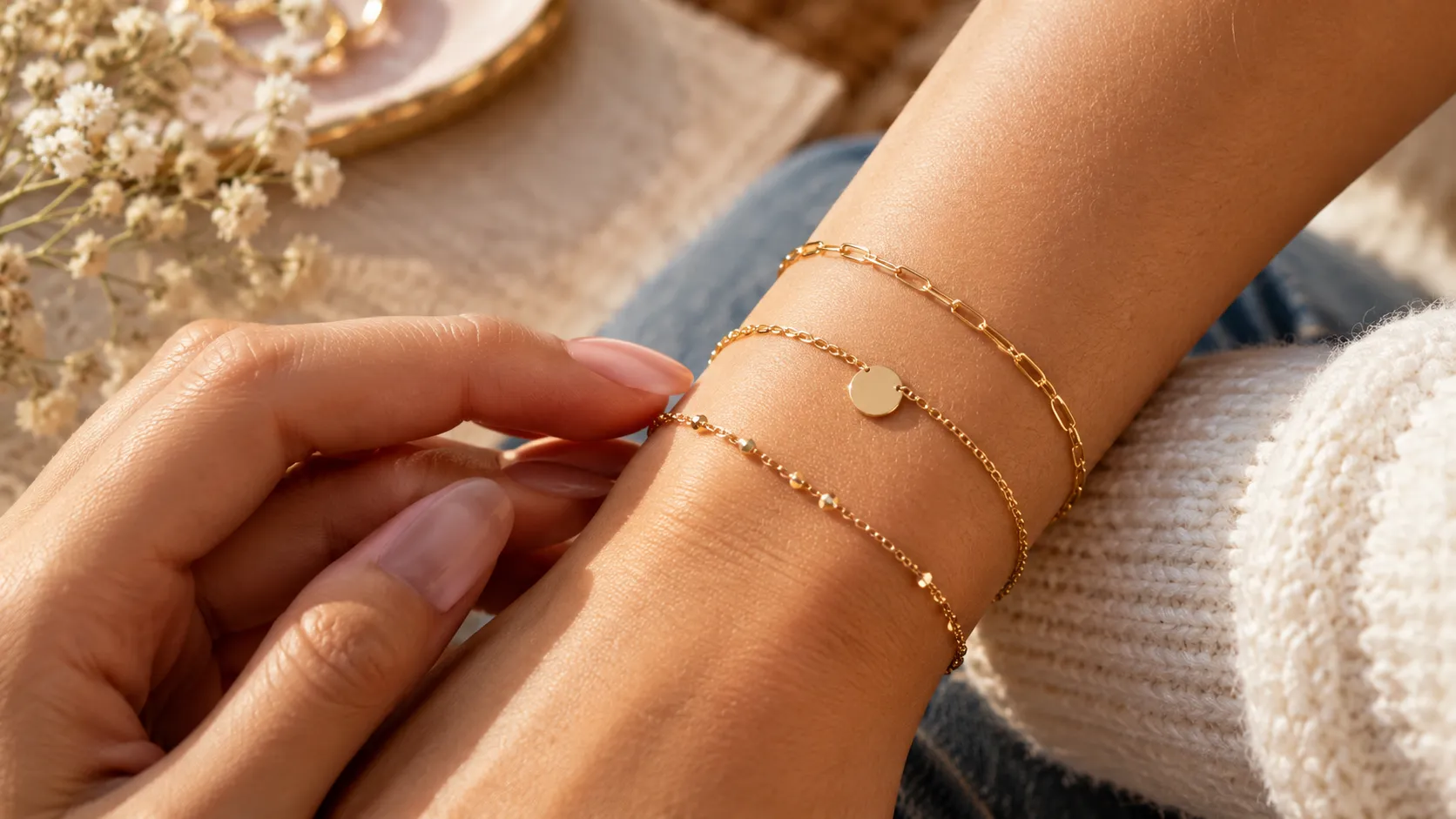
Some bracelets become part of your everyday routine. You put them on before leaving the house, take them off before bed, and occasionally spend five frustrating minutes trying to fasten a tiny clasp. Permanent jewelry offers a different approach. Instead of using a traditional clasp, a delicate chain is custom-fitted around your wrist and welded closed, creating a bracelet designed to stay with you through everyday life.
That small change has made permanent jewelry an appealing option for people who prefer simple accessories with a personal touch. It’s also a meaningful way to celebrate friendships, relationships, and special occasions. But there’s more to these bracelets than the absence of a clasp. From the fitting experience to the different metals available, understanding how permanent jewelry works can help you decide whether it’s something you’d actually enjoy wearing.
What Makes Permanent Jewelry Different From Regular Bracelets?
The biggest difference is surprisingly simple: permanent jewelry doesn’t have a traditional clasp.
A jeweler measures a chain to fit your wrist, connects the ends with a small jump ring, and uses a specialized jewelry welder to close that connection. Once finished, the bracelet forms a continuous loop around your wrist.
Unlike a regular bracelet, there’s no clasp to open when you’re getting dressed or preparing for bed. The chain stays in place until it’s intentionally removed or breaks.
That doesn’t mean it’s impossible to take off. Despite the name, permanent jewelry isn’t permanent in the literal sense. A bracelet can be carefully cut at an appropriate connecting ring and, depending on its condition, welded back together later.
The appeal comes from its simplicity. A thin gold or silver chain can sit comfortably alongside a watch, complement other bracelets, or look beautiful on its own.
For someone who wears the same bracelet almost every day, eliminating the clasp can feel like a surprisingly practical improvement.
The Experience Is Part of What Makes It Special
Buying an ordinary bracelet usually means selecting a design, checking the size, and taking it home. Getting permanent jewelry involves a little more interaction.
At a typical appointment, you’ll choose a chain from the jeweler’s available collection. Some studios offer simple cable chains, while others carry paperclip styles, delicate textured links, and options with small decorative accents.
Next comes the fitting.
The jeweler measures the chain around your wrist, leaving enough room for comfortable movement without making it so loose that it repeatedly catches on clothing or other objects.
Once you’re happy with the fit, the jeweler places a protective barrier between the welding area and your skin. A brief pulse from the jewelry welder closes the connecting ring.
The process itself is generally quick, and the weld shouldn’t touch or burn your skin when performed correctly by a trained professional.
There’s also something personal about choosing a bracelet that will stay on your wrist afterward.
Friends might select matching chains during a weekend outing. Sisters might add tiny initial charms, while a couple could choose understated bracelets to commemorate an anniversary.
Unlike a piece of jewelry that arrives in a gift box, the fitting appointment can become part of the memory.
Why People Are Choosing the Clasp-Free Look
Permanent jewelry fits naturally into a wardrobe built around pieces that can be worn repeatedly without much thought.
A fine chain doesn’t need to match a specific outfit. It can work with jeans and a T-shirt, office clothes, or a dress for a special occasion.
There are a few particularly appealing reasons to choose this style.
Everyday convenience: You don’t have to struggle with a tiny clasp or remember to put the bracelet on each morning.
A personalized fit: Instead of choosing between standard bracelet sizes, the chain is adjusted for your wrist.
Sentimental meaning: Matching bracelets can represent a friendship, anniversary, graduation, or another memorable moment without requiring matching outfits or obvious symbols.
Easy layering: A thin welded chain can serve as the foundation for a bracelet stack, especially when paired with a watch or a removable charm bracelet.
Still, convenience depends on your lifestyle. Someone who regularly works with machinery, participates in contact sports, or needs to remove jewelry for professional or medical reasons may find a traditional clasped bracelet more practical.
Choosing the Right Metal Matters More Than You Think
Not all permanent bracelets are made from the same materials, and the metal you choose can affect the price, appearance, maintenance, and long-term durability.
14K Solid Gold
Solid 14K gold is a popular premium option because it offers good resistance to tarnishing and is suitable for frequent wear.
It’s an alloy containing approximately 58.3% gold, with other metals added for strength and color. Even solid-gold chains can scratch, stretch, or break, especially when they’re extremely thin.
For someone planning to wear a bracelet for years, solid gold may be worth considering if the budget allows.
Gold-Filled Jewelry
Gold-filled jewelry has a mechanically bonded layer of gold over a base metal. It contains substantially more gold than conventional thin gold plating when properly labeled under applicable US standards.
It’s often a middle-ground choice for shoppers who want the appearance of gold without paying solid-gold prices.
However, gold-filled jewelry isn’t indestructible. Friction, exposure to chemicals, and daily wear can eventually affect its appearance.
Sterling Silver
Sterling silver offers a different look and is often among the more affordable permanent jewelry options.
It contains 92.5% silver and can develop tarnish over time, particularly with exposure to moisture, sweat, and certain chemicals.
Fortunately, careful cleaning with appropriate silver-jewelry products can help maintain its appearance.
If you have a known metal allergy, ask about the entire chain’s composition, including the connecting ring. No jewelry metal should automatically be assumed safe for every person’s skin.
How Much Does a Permanent Bracelet Cost in the United States?
The price depends on the material, chain design, length, location, and whether charms are included.
As a general shopping reference, sterling silver permanent bracelets may cost approximately $50 to $100, while 14K gold-filled styles often fall around $60 to $120.
Solid 14K gold bracelets can cost considerably more, sometimes ranging from around $120 to $400 or higher depending on the chain’s weight and design.
These are approximate shopping ranges rather than guaranteed prices. Individual studios may charge differently, especially for specialty chains, heavier gold designs, and decorative connectors.
Before booking an appointment, ask whether the advertised price includes the fitting, welding, and any additional charms.
It’s also worth checking the studio’s repair policy. Some jewelers offer complimentary rewelding under certain conditions, while others charge for repairs or reconnections.
The least expensive bracelet isn’t necessarily the best value if its chain isn’t suitable for your everyday activities.
Can You Shower, Sleep, and Exercise With Permanent Jewelry?
One reason people choose permanent bracelets is that they’re designed to remain on during ordinary activities, including sleeping and showering.
But being wearable every day doesn’t mean a chain requires no care.
After swimming or exercising, rinsing the bracelet when appropriate for its material and drying it gently can help remove residue. Avoid exposing it unnecessarily to harsh cleaners, chlorine, and abrasive products.
Thin chains also deserve a little attention when you’re pulling on tight sleeves, carrying heavy bags, or handling objects that could snag them.
If a bracelet begins feeling too tight, causes skin irritation, or develops a damaged link, have it assessed rather than continuing to wear it.
And if you need to remove it for a medical procedure, workplace safety requirement, or personal preference, follow the relevant instructions. Don’t assume permanent jewelry is exempt from rules requiring jewelry removal.
A qualified jeweler can usually explain how to disconnect the piece safely and whether it can be reattached afterward.
Is Permanent Jewelry Worth Trying?
Permanent jewelry makes the most sense for someone who already enjoys wearing a simple bracelet every day.
The custom fit, delicate appearance, and personal experience are what set it apart from traditional jewelry. It’s also an appealing gift experience when the recipient can participate in choosing the chain and deciding how it should fit.
But you don’t need a welded bracelet to enjoy minimalist jewelry. If you frequently change your accessories, prefer bold statement pieces, or need to remove bracelets regularly, a conventional design may be the smarter choice.
The nicest thing about permanent jewelry is that it doesn’t need to be complicated. A well-chosen chain, comfortable fit, and meaningful reason for wearing it can make one small bracelet feel especially personal.